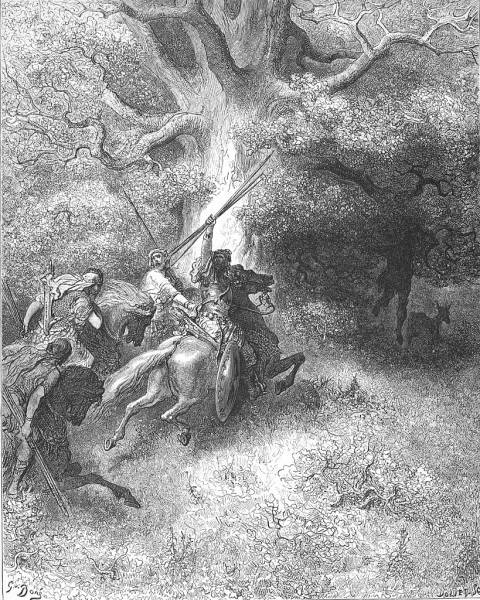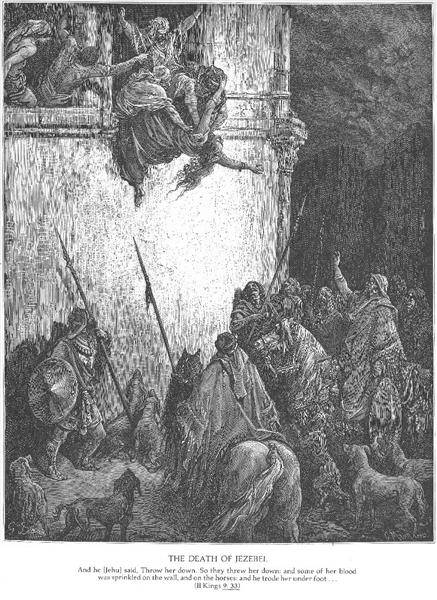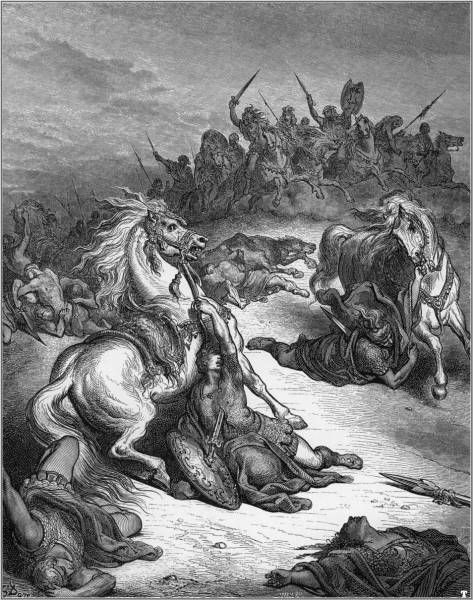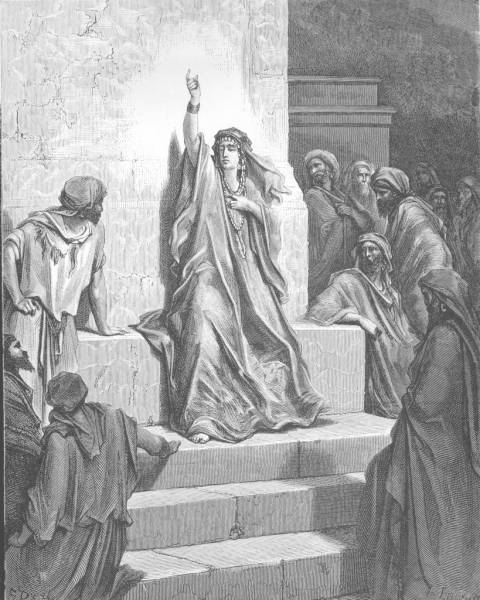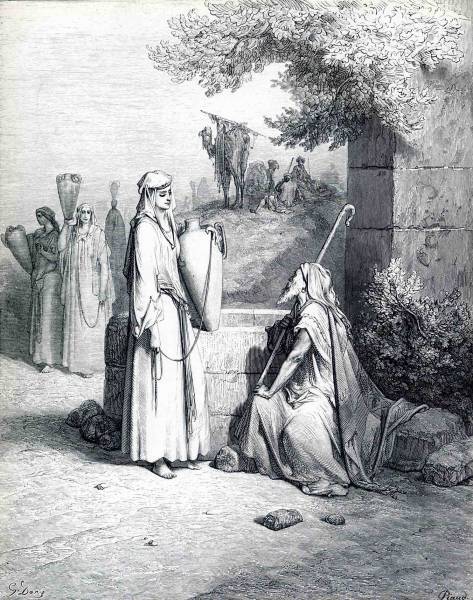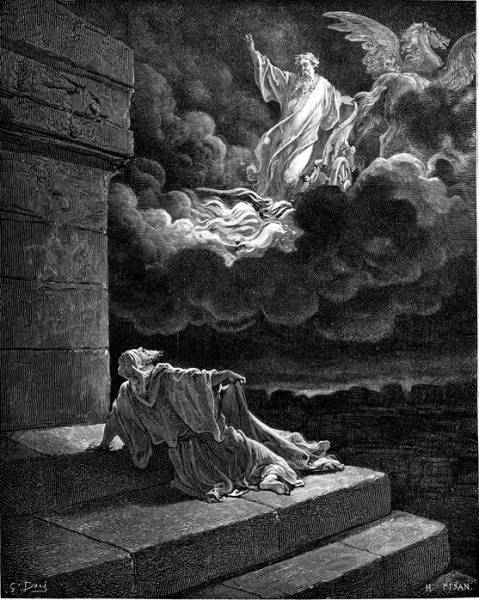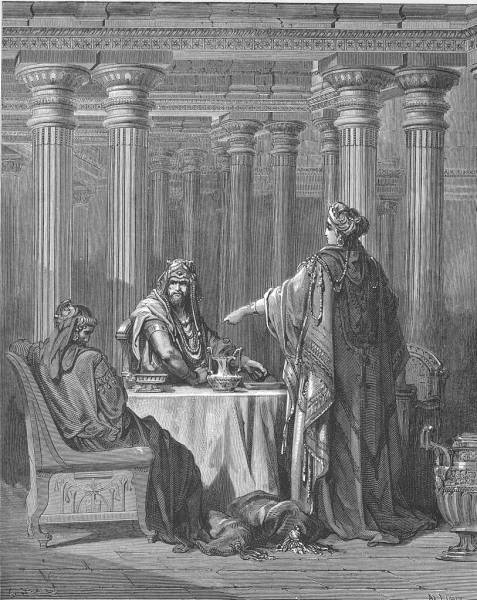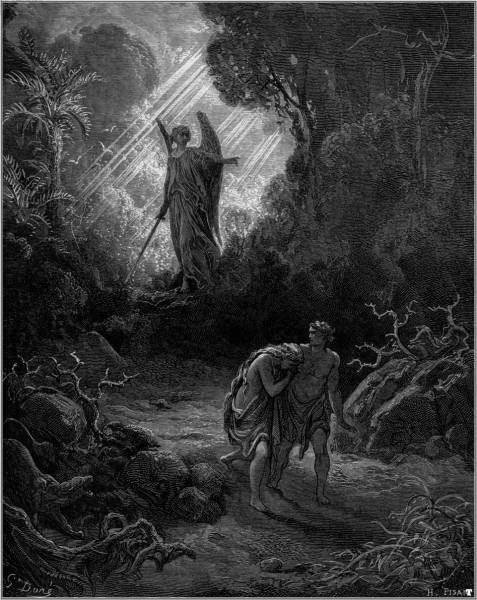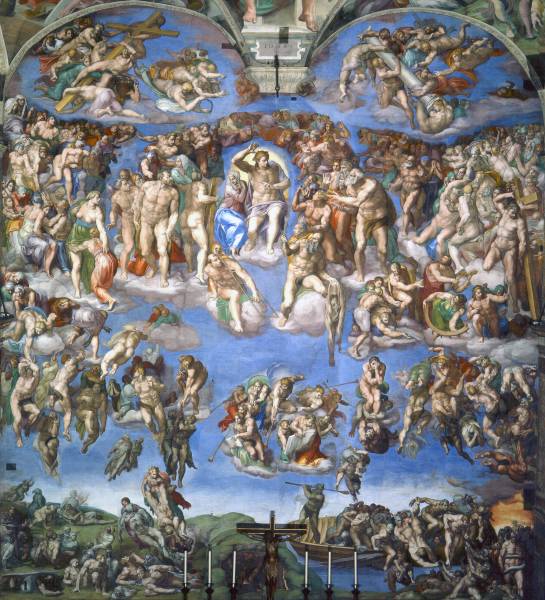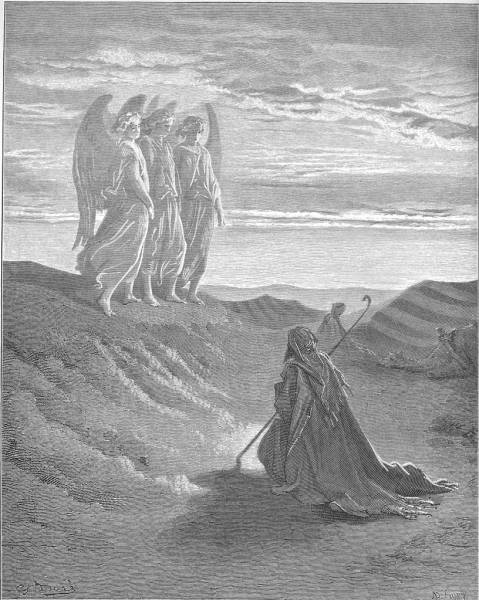
The prophet slain by a lion is a engraving painting by Gustave Doré (1832–1883). it depicts the biblical scene from 1 Kings 13:23-30.
The scene depicted in this artwork is a pivotal moment within the context of the first prophetic denouncement made against the idolatrous practices instituted by Jeroboam at Bethel. As King Jeroboam was offering incense at the royal altar dedicated to the golden calf, a nameless prophet from Judah suddenly appeared before him. This prophet had come with a specific purpose, for he was not to seek hospitality or sustenance either on his way to or from Bethel. He wasn't even meant to address the king himself but rather the altar, a silent symbol of division and sin. His proclamation began with the words "O altar, altar, thus saith the Lord."
The divine message delivered by the Lord through this prophet foretold that the priests who served this altar would, one day, be offered as sacrifices on it by a descendant of the house of Judah. The king, incensed by this prophecy, reached out with an outstretched hand to order the prophet's arrest. However, a miraculous event unfolded as his hand suddenly withered, rendering it immobile. King Jeroboam beseeched the prophet to intercede with the Lord for the restoration of his hand. The prophet complied with this request, and the king's hand was miraculously healed.
True to his instructions, the prophet set out on his journey back home immediately, refraining from partaking in food or drink. However, an elderly prophet who resided in Bethel pursued him. Through a false pretense of receiving a divine message, he persuaded the visiting prophet to return to Bethel, dine with him, and share in a meal. Yet, during their meal, the elderly prophet conveyed an authentic divine message. He informed the visitor that due to his disobedience, he would not be laid to rest in the sepulcher of his ancestors. As prophesied, the consequences came to pass. While on his way, the visiting prophet encountered a lion that slew him. The lion then remained alongside the lifeless body, much as depicted in the illustration, though the artist has omitted the presence of an ass. The narrative describes the lion waiting peacefully without disturbing the ass or any passersby. The lion completed its assigned task and did not hinder the elderly prophet when he arrived, retrieved the body, and carried it to the city for burial.
This dramatic event served as a powerful and extraordinary reinforcement of the prophecy against the altar at Bethel. It underscored that God dealt promptly and decisively with His chosen servants when they disobeyed His commands. It also exemplified how His response would be even more severe towards those whose apostasy was explicit and extensive. These individuals established an idolatrous worship, one characterized by debasement and corruption, thus violating both the letter and spirit of the divine commandments revealed at Mount Sinai, etched on stone tablets by the very finger of God.