Home › Jan Massijs › The Calling of Elisha

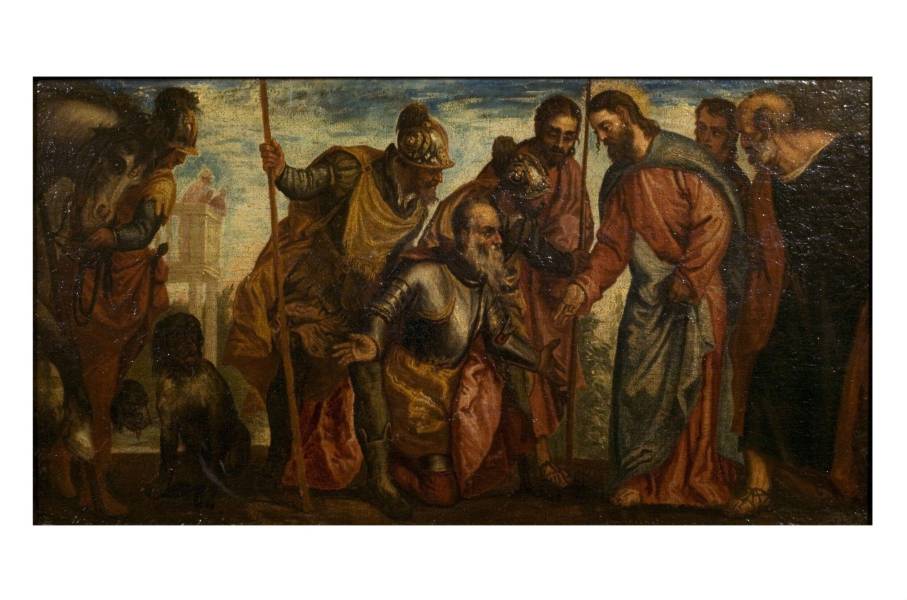
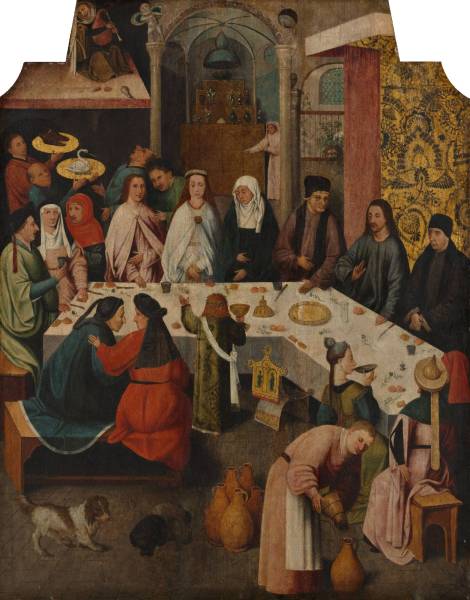
The Calling of Elisha by Jan Massijs, 1 Kings 19:19-21, Bible.Gallery

The Calling of Elisha is a oil on panel painting by Jan Massijs (1510–1575), created in c. 1572. Measuring 140 × 96 cm, it depicts the biblical scene from 1 Kings 19:19-21.

The Calling of Elisha created approximately 1572 and was completed in 1572 Its dimension is 140cm wide and 96cm high and it was drawn with oil on panel style.

Artwork Description

The Calling of Elisha by Jan Massijs, 1 Kings 19:19-21, Bible.Gallery

The Calling of Elisha is a 1572 oil painting by Jan Massijs (also spelled Jan Matsys), a Flemish Renaissance artist known for his religious and genre scenes. The work, painted on panel and measuring 140 x 96 cm, depicts the biblical moment when the prophet Elijah calls Elisha to be his successor. The painting belongs to the Royal Museum of Fine Arts Antwerp, where it is catalogued under accession number 5024.


Executed in the later years of Massijs’s career, the painting reflects his refined religious style, combining narrative clarity with visual drama. It aligns with Massijs's broader body of work that often blends religious themes with a nuanced depiction of human emotion and gesture.

Artist : Jan Massijs

Other artworks from Jan Massijs

Other artworks you may enjoy

Abraham Casting Out Hagar and Ishmael by Pieter Lastman Genesis 21:8-21

Abraham Entertains Three Strangers by Gustave Doré Genesis 18:1-15

Abraham Meets Melchizedek by Peter Paul Rubens Genesis 14

Abraham Serving the Three Angels by Rembrandt Harmenszoon van Rijn Genesis 18:1-12

Abraham meets the Three Angels by Ferdinand Bol Genesis 18:1-15

Abraham's Sacrifice of Isaac by Federico Bencovich Genesis 22:1-19

Adam and Eve by Hans Holbein the Younger Genesis 3:1-13

Adam and Eve (1526) by Lucas Cranach, the Elder Genesis 3

Adoration of the Lamb by Michiel Coxie Revelation 5

Adoration of the Magi by Pieter Aertsen Matthew 2:1-12

Adoration of the Shepherds by Gerard Van Honthorst Luke 2:1-21

Agony in the Garden by Giovanni Bellini Matthew 26:36-46