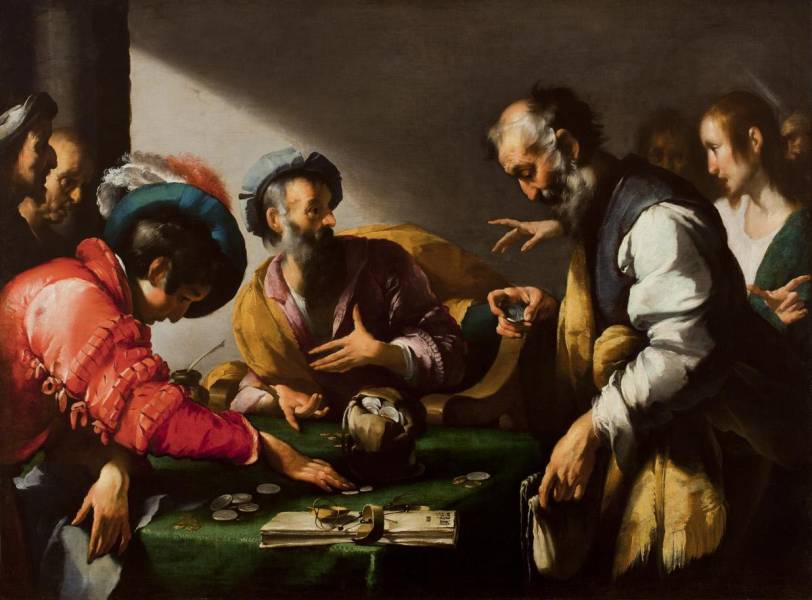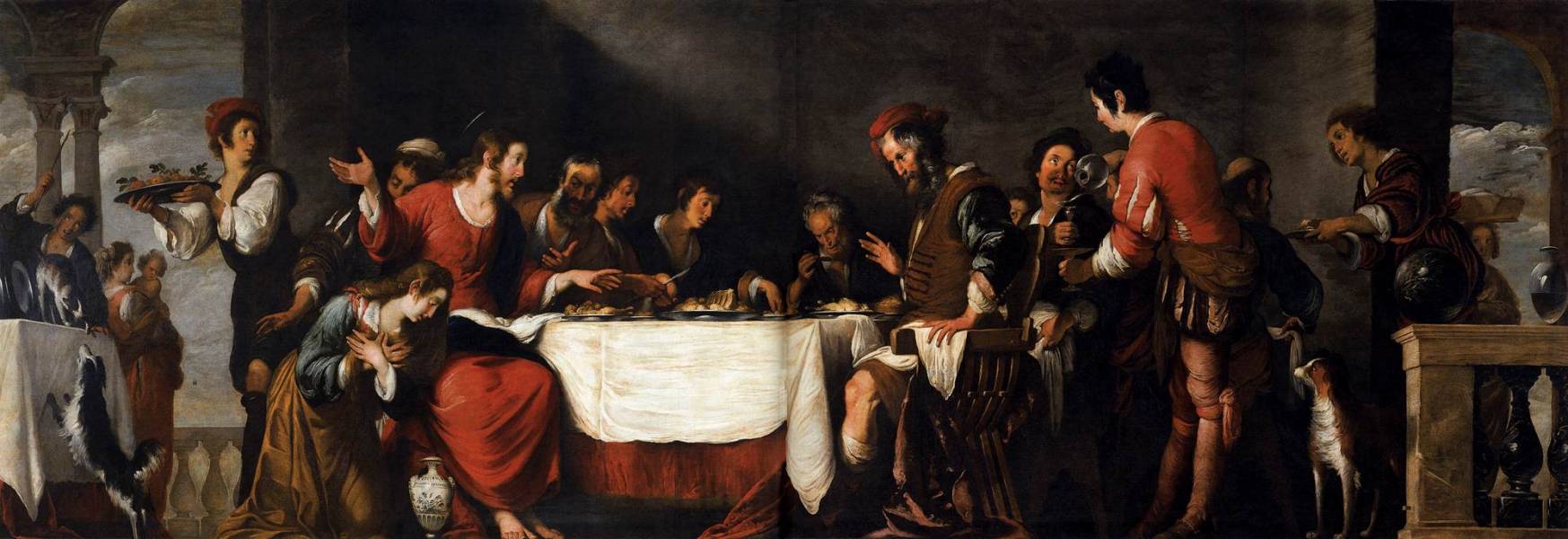
Banquet at the House of Simon
(c1630)
Bernardo Strozzi
(Genoa, 1581 - 1644)
John 12:1-11
Money, business, salvation and the kingdom of God. You won’t often find these words sharing the same sentence, but they do belong together in the Gospel of Luke. It turns out Luke has a lot to say about how we manage organizations that produce goods and services, and about how this is very closely related to salvation and God’s kingdom.
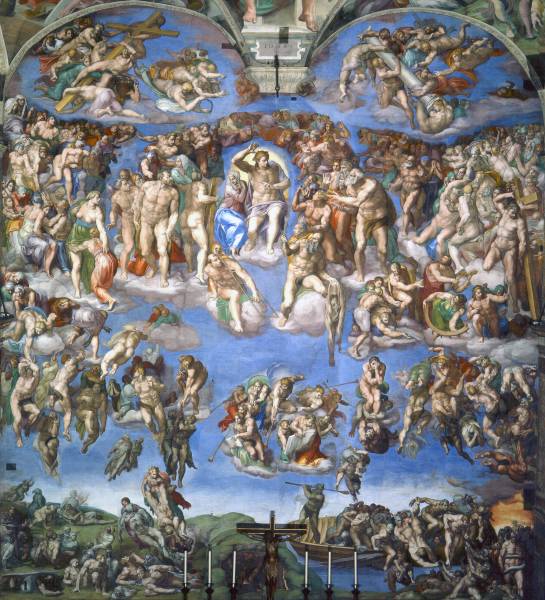
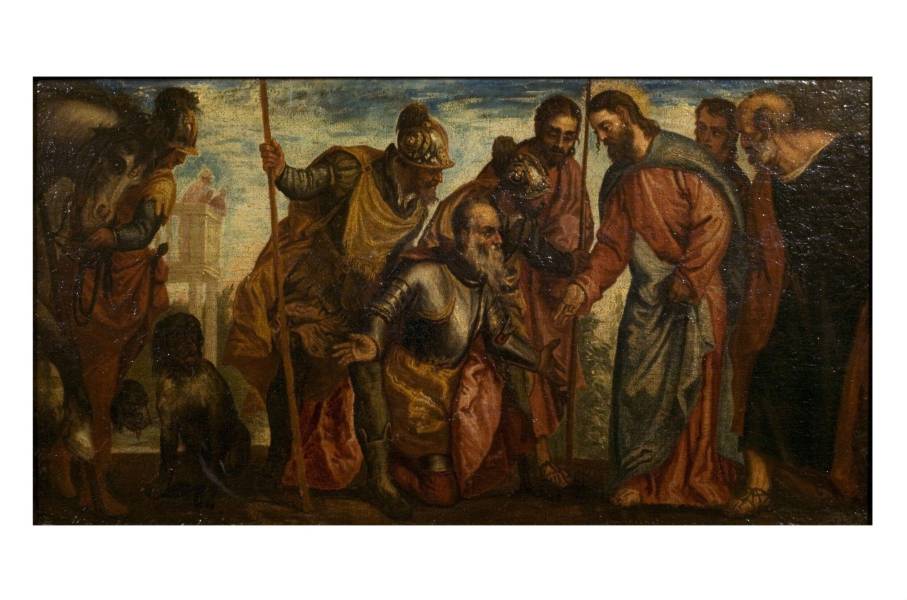
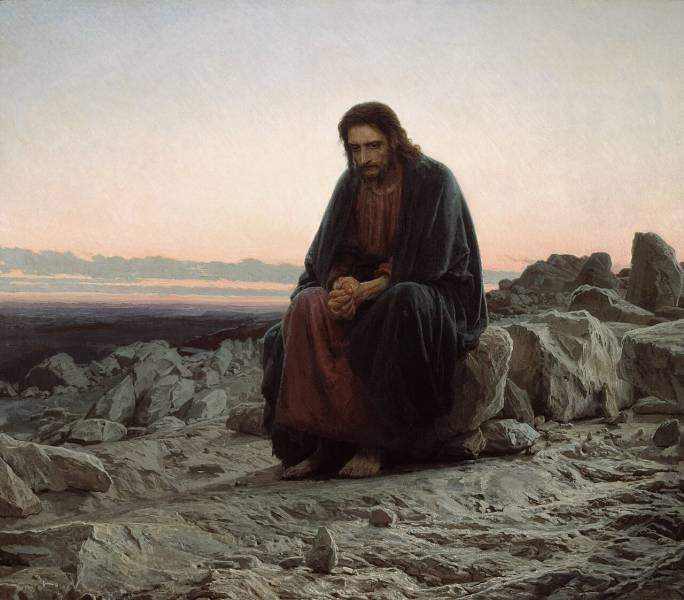
Luke’s passage about Zacchaeus provides an excellent example of this, although it may not be obvious at first for many modern readers. In this passage Jesus visits the house of a rich chief tax collector named Zacchaeus. When Zacchaeus says that he will give half his money to the poor, and repay fourfold anyone whom he has defrauded, Jesus responds by saying: “Today salvation has come to this house” (Luke 19:9).
Found in: Luke, Luke 19, 18th century, Jesus
1 He entered and was passing through Jericho.
2 There was a man named Zacchaeus. He was a chief tax collector, and he was rich.
3 He was trying to see who Jesus was, and couldn’t because of the crowd, because he was short.
4 He ran on ahead, and climbed up into a sycamore tree to see him, for he was going to pass that way.
5 When Jesus came to the place, he looked up and saw him, and said to him, “Zacchaeus, hurry and come down, for today I must stay at your house.”
6 He hurried, came down, and received him joyfully.
7 When they saw it, they all murmured, saying, “He has gone in to lodge with a man who is a sinner.”
8 Zacchaeus stood and said to the Lord, “Behold, Lord, half of my goods I give to the poor. If I have wrongfully exacted anything of anyone, I restore four times as much.”
9 Jesus said to him, “Today, salvation has come to this house, because he also is a son of Abraham.
Luke 19:1-9 · World English Bible
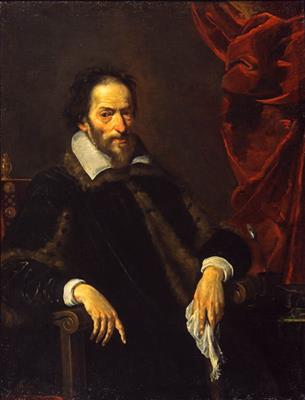
1581 - 1644
Genoa, Italy
Bernardo Strozzi, named il Cappuccino and il Prete Genovese (c. 1581 – 2 August 1644) was an Italian Baroque painter and engraver. A canvas and fresco artist, his wide subject range included history, allegorical, genre and portrait paintings as well as still lifes. Born and initially mainly active in Genoa, he worked in Venice in the latter part of his career. His work exercised considerable influence on artistic developments in both cities. He is considered a principal founder of the…