The Denial of Peter
(c1620)
Gerard Seghers
(Antwerp, 1591 - 1651)
Matthew 26:69
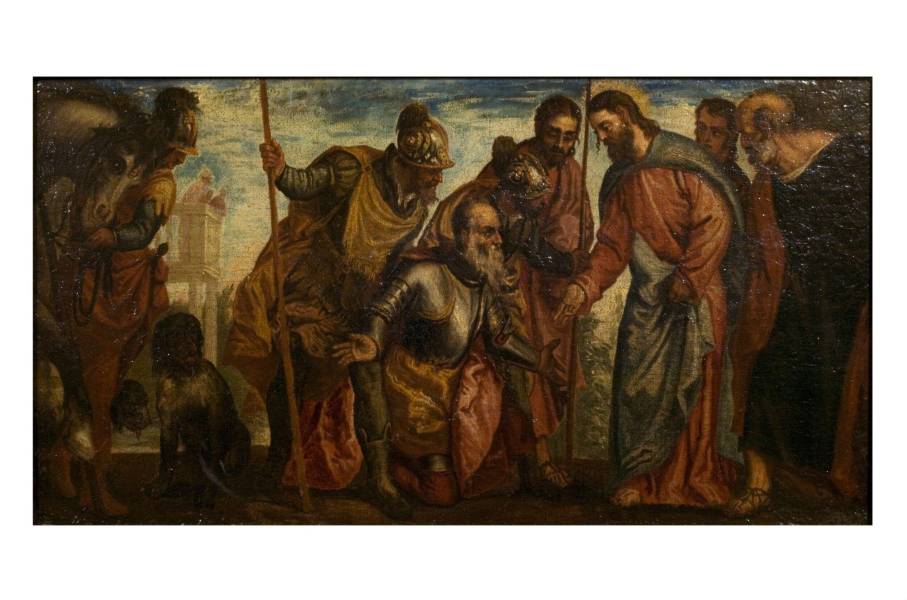
"Christ and the Penitent Sinners" by Gerard Seghers is an oil-on-canvas painting created around 1750, inspired by the biblical passage from Acts 3:17-23. This artwork depicts a significant moment in the Christian narrative, where Christ is shown interacting with penitent sinners, conveying themes of forgiveness and redemption.
Here is a critique of "Christ and the Penitent Sinners":
1. Composition and Size: Seghers' painting features a grand and well-composed scene, with Christ as the central figure surrounded by penitent sinners seeking his mercy. The large size of the painting, with dimensions of 253cm ✕ 207cm, commands attention and allows for the depiction of intricate details and expressive figures.
2. Emotional Expression: The artist excels at capturing the emotional expressions of the characters in the painting. Christ's compassionate and forgiving demeanor is evident, as he interacts with the penitent sinners. The facial expressions of the sinners reveal remorse, hope, and gratitude, conveying the emotional impact of the forgiveness they are receiving.
3. Symbolism: "Christ and the Penitent Sinners" utilizes powerful symbolism to convey its religious message. The act of penance and seeking forgiveness is central to the narrative, and the presence of Christ as the divine figure granting redemption represents the central theme of Christianity.
4. Use of Light and Color: Seghers effectively employs light and color to create a sense of spiritual illumination. The light emanating from Christ serves as a focal point, drawing the viewer's attention to his compassionate presence amidst the darkness of sin and repentance.
5. Artistic Style: The painting showcases Seghers' skill as a Baroque artist. The Baroque style, characterized by dramatic compositions and emotional intensity, suits the subject matter well, allowing for a vivid portrayal of the religious narrative.
6. Historical and Cultural Context: The artwork was created during the Baroque period when religious themes were highly favored in art. "Christ and the Penitent Sinners" reflects the enduring appeal of depicting scenes from the Bible and conveying moral and spiritual messages to the viewers.
In conclusion, "Christ and the Penitent Sinners" by Gerard Seghers is a captivating portrayal of forgiveness and redemption in the Christian context. Through its powerful composition, emotional expressions, and skillful use of symbolism, the painting invites viewers to contemplate the transformative power of Christ's mercy and the universal human experience of seeking forgiveness. Seghers' artistic talent shines through in this grand and emotionally charged work, making it a significant representation of religious themes during the Baroque era.
Found in: Acts, Acts 3, 18th century, Jesus
17 “Now, brothers, I know that you did this in ignorance, as did also your rulers.
18 But the things which God announced by the mouth of all his prophets, that Christ should suffer, he thus fulfilled.
19 “Repent therefore, and turn again, that your sins may be blotted out, so that there may come times of refreshing from the presence of the Lord,
20 and that he may send Christ Jesus, who was ordained for you before,
21 whom heaven must receive until the times of restoration of all things, which God spoke long ago by the mouth of his holy prophets.
22 For Moses indeed said to the fathers, ‘The Lord God will raise up a prophet for you from among your brothers, like me. You shall listen to him in all things whatever he says to you.
23 It will be that every soul that will not listen to that prophet will be utterly destroyed from among the people.’
Acts 3:17-23 · World English Bible

1591 - 1651
Antwerp, Belgium
Gerard Seghers was a Flemish painter, art collector and art dealer. After a period of study of study and residence in Rome, he returned to Flanders where he became one of the leading representatives of the Flemish Caravaggisti movement. In his later career he abandoned the Caravaggist style and genre motifs to become an important painter of large altarpieces for local churches.