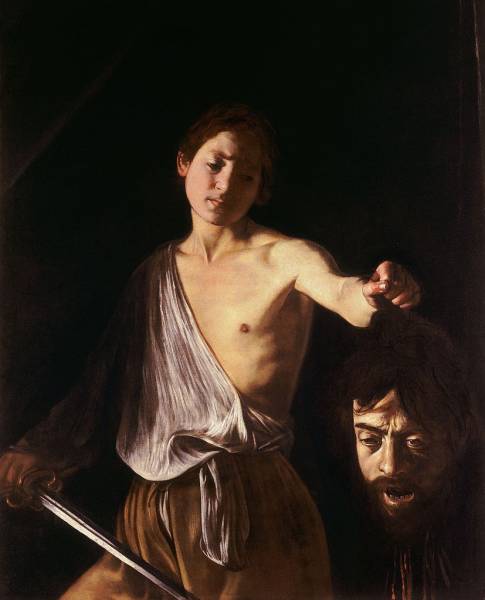
Michelangelo Merisi da Caravaggio
(Milan, 1571 - 1610)
1 Samuel 17:45-53

1571 - 1610
Milan, Italy
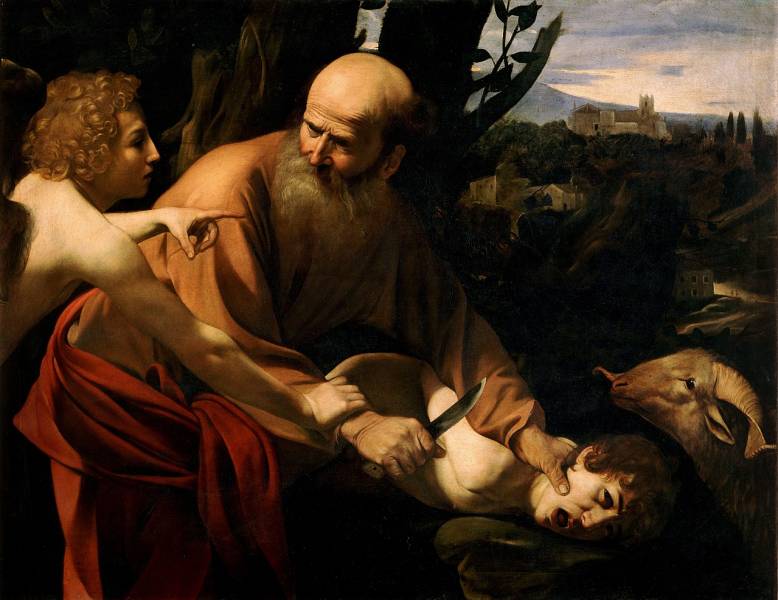
Michelangelo Merisi (Michele Angelo Merigi or Amerighi) da Caravaggio (28 September 1571 – 18 July 1610) was an Italian painter active in Rome, Naples, Malta, and Sicily from the early 1590s to 1610. His paintings combine a realistic observation of the human state, both physical and emotional, with a dramatic use of lighting, which had a formative influence on Baroque painting.
Caravaggio employed close physical observation with a dramatic use of chiaroscuro that came to be known as tenebrism. He made the technique a dominant stylistic element, darkening shadows and transfixing subjects in bright shafts of light. Caravaggio vividly expressed crucial moments and scenes, often featuring violent struggles, torture and death. He worked rapidly, with live models, preferring to forgo drawings and work directly onto the canvas. His influence on the new Baroque style that emerged from Mannerism was profound. It can be seen directly or indirectly in the work of Peter Paul Rubens, Jusepe de Ribera, Gian Lorenzo Bernini, and Rembrandt, and artists in the following generation heavily under his influence were called the "Caravaggisti" or "Caravagesques", as well as tenebrists or tenebrosi ("shadowists").
Caravaggio trained as a painter in Milan before moving in his twenties to Rome. He developed a considerable name as an artist, and as a violent, touchy and provocative man. A brawl led to a death sentence for murder and forced him to flee to Naples. There he again established himself as one of the most prominent Italian painters of his generation. He traveled in 1607 to Malta and on to Sicily, and pursued a papal pardon for his sentence. In 1609 he returned to Naples, where he was involved in a violent clash; his face was disfigured and rumours of his death circulated. Questions about his mental state arose from his erratic and bizarre behavior. He died in 1610 under uncertain circumstances while on his way from Naples to Rome. Reports stated that he died of a fever, but suggestions have been made that he was murdered or that he died of lead poisoning.
Caravaggio's innovations inspired Baroque painting, but the Baroque incorporated the drama of his chiaroscuro without the psychological realism. The style evolved and fashions changed, and Caravaggio fell out of favor. In the 20th century interest in his work revived, and his importance to the development of Western art was reevaluated. The 20th-century art historian André Berne-Joffroy stated, "What begins in the work of Caravaggio is, quite simply, modern painting."
5 artworks found
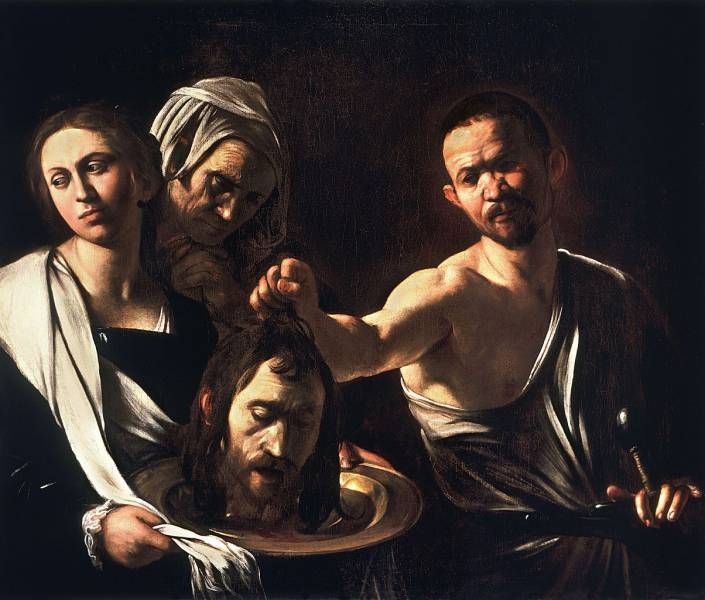


A £1 million painting in the National Gallery is not by the Italian master Caravaggio, the gallery's director, Mr Michael Levey, claimed last night. The hitherto undoubted masterpiece, "Salome with t...
In his left hand, he grips the hair of Goliath decapitated head, which is suspended in the air. It appears his death occurred while screaming as his mouth was left partially open, and his gaze appear...
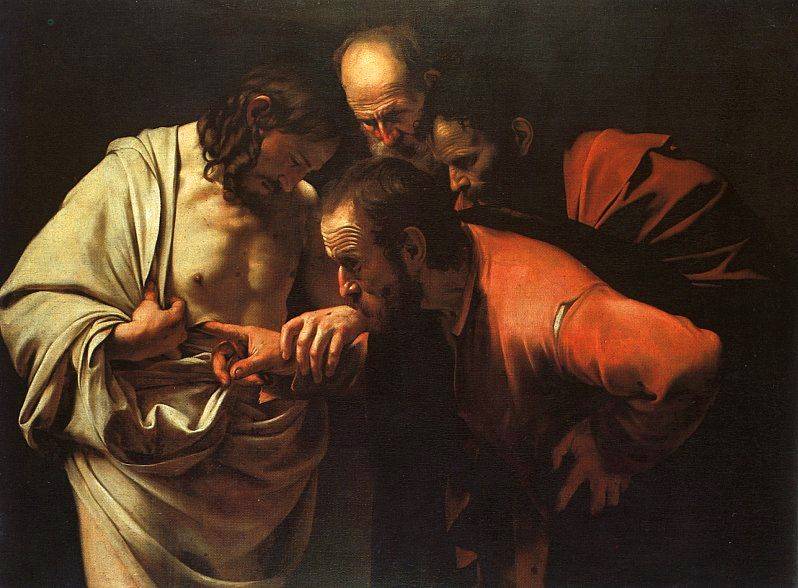
Caravaggio’s painting depicts the story of the apostle’s incredulity the way most of us remember it, but not exactly the way it is presented in John 20:27–28. In the narrative Jesus invites Thomas to...